
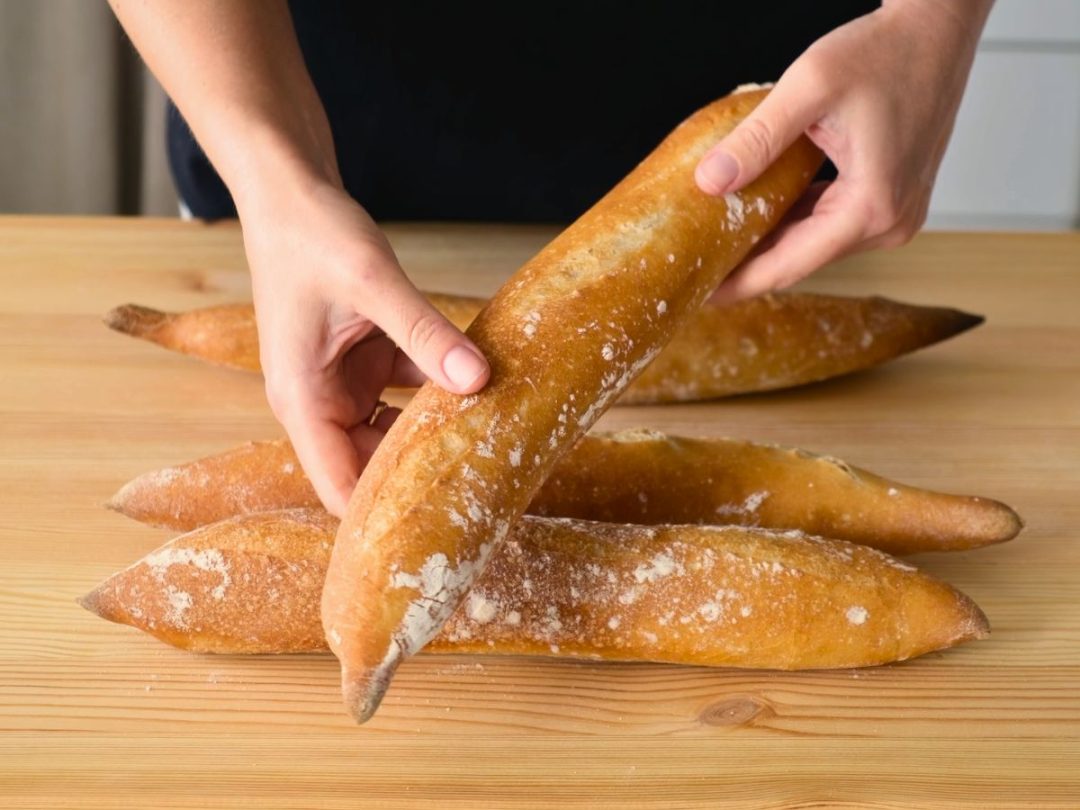
I used to think a real French baguette had to come from a bakery. Then I tried making one at home. The process takes a little planning, but the result—a crisp, golden crust and a light, airy crumb—is worth it.
This homemade French baguette recipe uses a preferment and a slow, cold fermentation to build flavor. The dough develops in the refrigerator over two days, then it’s shaped, proofed, and baked on the third. Most of the time is hands-off: you’ll spend about an hour actively mixing, kneading, and shaping the dough.
The recipe makes four baguettes.
You’ll find the exact ingredient amounts and step-by-step instructions in the recipe card below.
What makes these baguettes special
The recipe starts with a preferment—a small portion of flour, water, salt, and yeast mixed the day before. A long rest in the refrigerator gives it time to develop, adding flavor and helping create a more satisfying texture in the finished bread.
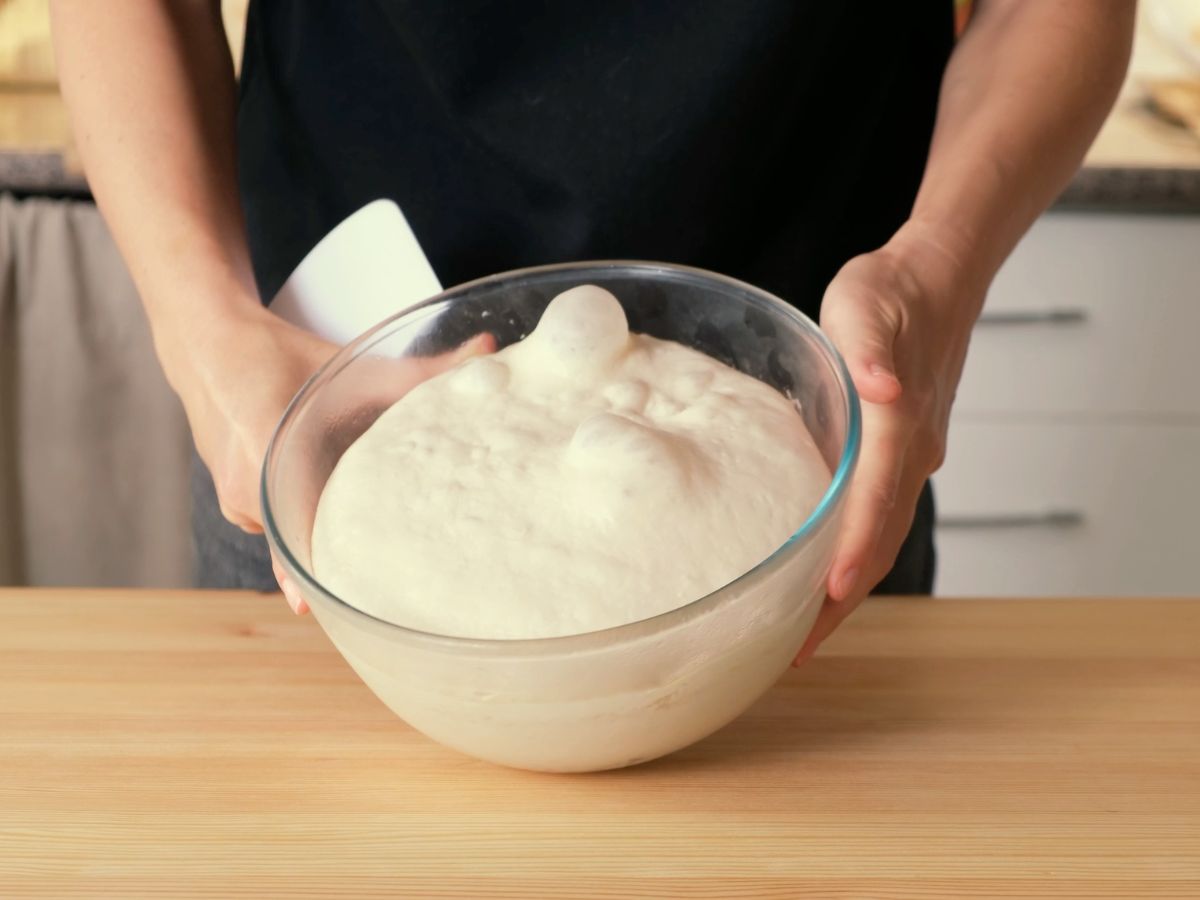
The next day, the preferment is mixed into the main dough. After kneading, the dough goes back into the refrigerator for a longer fermentation. This schedule spreads the work across several days, so you don’t need to spend hours in the kitchen at once.
On baking day, the dough is divided and shaped into long loaves. A final proof gives the baguettes time to rise before they’re scored and baked in a hot oven with steam. Steam helps the crust expand as the loaves bake.
A few tips before you begin
Plan for the full timeline. The dough needs time to ferment in the refrigerator, so start a couple of days before you want to serve the baguettes. The exact resting times and sequence are listed in the recipe card below.
Use bread flour if you have it. Bread flour’s higher protein content can help the dough develop strength. All-purpose flour can also work; the dough may feel a little different as you knead and shape it.
Expect the dough to feel sticky. Baguette dough is meant to be fairly wet. Adding extra flour during kneading can make the finished bread denser, so use a bench scraper to help manage the dough instead.
Give the dough time to rest. The short rests during shaping relax the gluten, making the dough easier to roll into long loaves. If the dough keeps shrinking back as you shape it, let it rest a little longer.
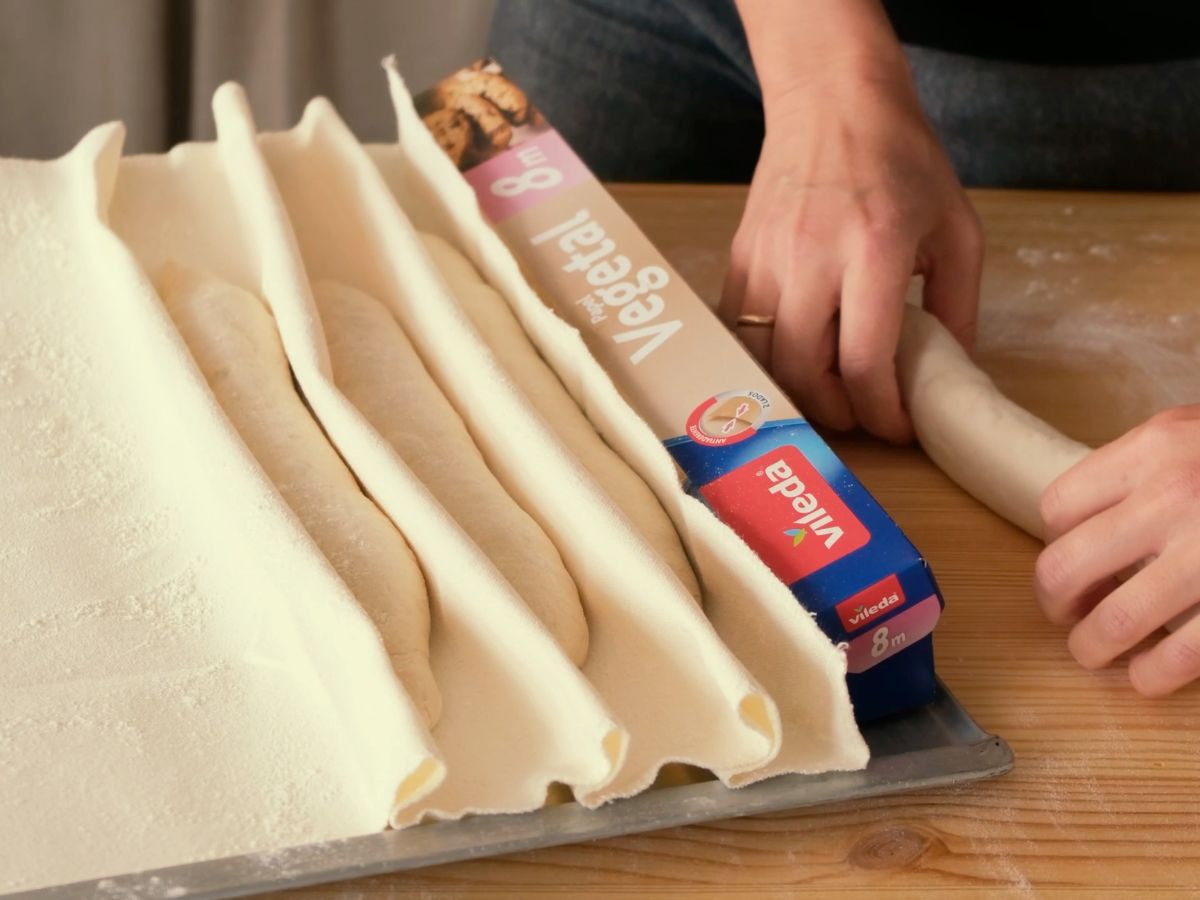
Prepare a couche or towel for proofing. A couche is a sturdy linen cloth used to support baguettes as they rise. A clean, lint-free kitchen towel dusted generously with flour works well, too. Fold the cloth between the loaves to help them keep their shape.
Have a way to create steam. A pan on the bottom of the oven lets you add hot water when the baguettes go in. The steam helps the crust form as the loaves bake. Use care when handling boiling water and opening the hot oven.
Use a very sharp blade to score the dough. Quick, confident cuts help the baguettes open as they bake. A dull knife may drag across the surface instead of making clean slashes.
How to serve homemade French baguettes
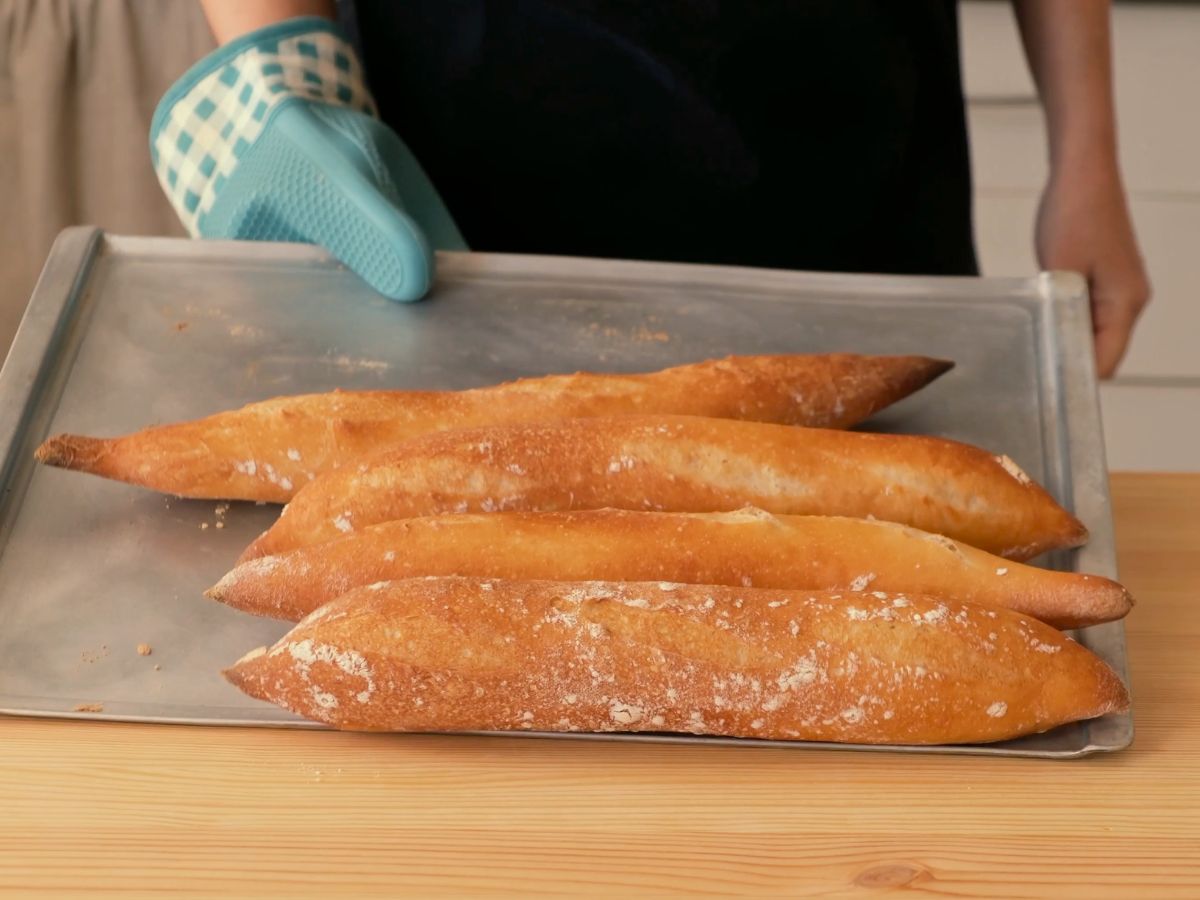
Let the baguettes cool before slicing so the crumb can set. Serve them with butter, cheese, soup, or a simple meal. They’re also lovely for sandwiches, toast, or tearing and sharing at the table while still slightly warm.
Fresh baguettes are best the day they’re baked, when the crust is at its crispest. If you have leftovers, slice and freeze them for toast, or refresh a whole baguette briefly in a warm oven.
Homemade French Baguette | YellowMixer.com Baking Blog
Print RecipeIngredients
- Preferment
- 225 g (about 1¾ cups) bread flour or all-purpose flour
- 3.5 g fine salt (about ½ teaspoon)
- 145 ml (about ⅔ cup) water
- A small pinch of active dry yeast, about 1 g (or 2.5 g fresh yeast)
- Main dough
- All of the preferment
- 250 g (about 2 cups) bread flour or all-purpose flour
- 5 g fine salt (about ¾ teaspoon)
- 150 ml (about ⅔ cup) water
- A generous pinch of active dry yeast, about 2.5 g (or 5 g fresh yeast)
- For stronger dough, use high-protein bread flour or replace some of the flour with Manitoba flour. This is optional.
Instructions
Day 1: Make the preferment
Combine the flour and salt in a bowl. Dissolve the yeast in the water, then pour it into the flour mixture. Mix until a dough forms. Knead for 3–4 minutes, just until the flour absorbs the water and the dough comes together. It may feel slightly sticky; don’t add extra flour.
Transfer the dough to a lightly oiled bowl, cover, and refrigerate for 12–24 hours.
Day 2: Mix and refrigerate the dough
Combine the flour and salt in a large bowl. Dissolve the yeast in the water and add it to the flour. Tear the preferment into small pieces and add them to the bowl.
Mix until a dough forms. Knead by hand or in a stand mixer until the dough stretches into a thin, translucent sheet without tearing, about 8–15 minutes. The dough may feel wet and sticky; avoid adding extra flour.
Transfer the dough to a lightly oiled bowl, cover, and refrigerate for 18–24 hours, or up to 36 hours.
Day 3: Shape and bake
Turn the dough out onto a clean work surface. Fold it to build tension, then divide it into 4 equal pieces, about 190 g each. Shape each piece into a ball and let rest, uncovered, for 5 minutes.
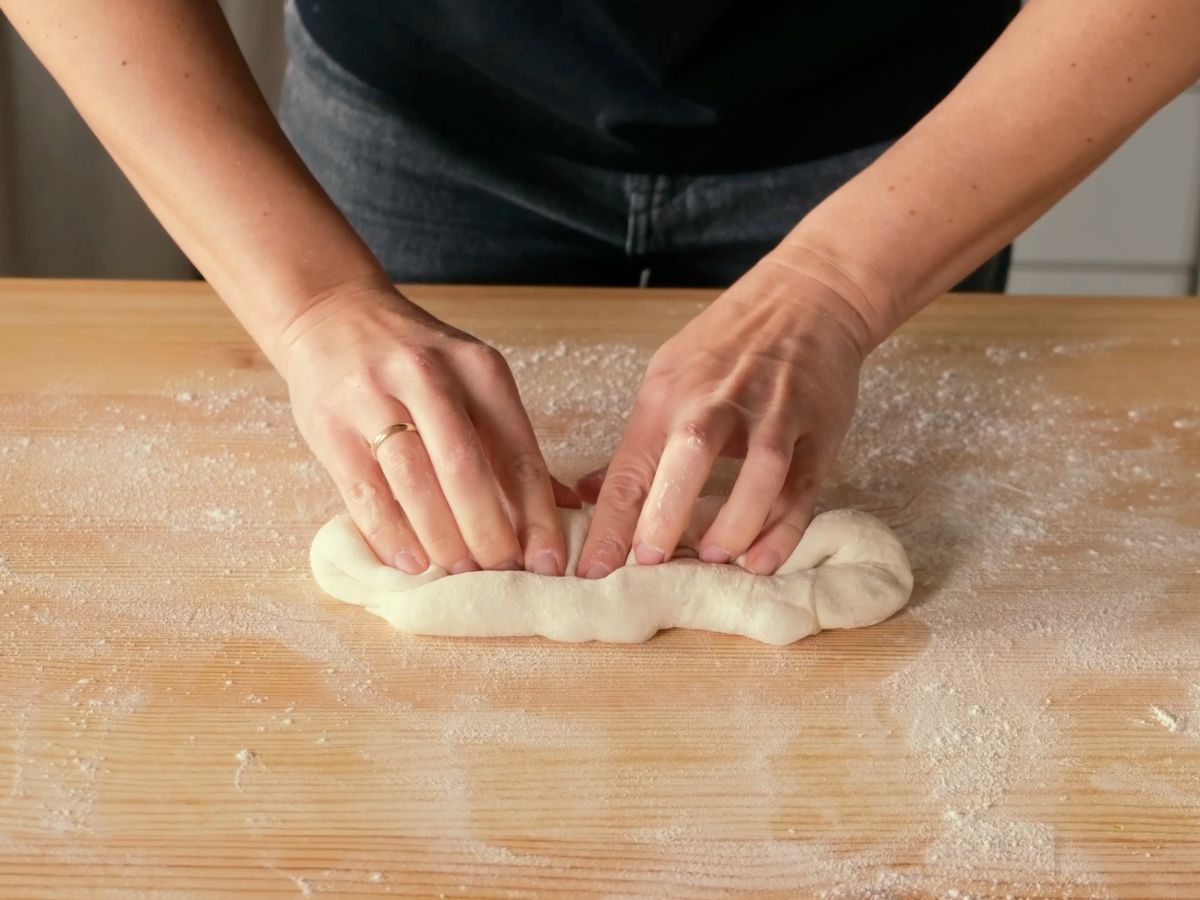
Flatten one piece into a rectangle. Fold the edge closest to you over by about 1 inch and press the seam. Repeat twice. Pre-shape the remaining pieces the same way, then let them rest for 10 minutes.
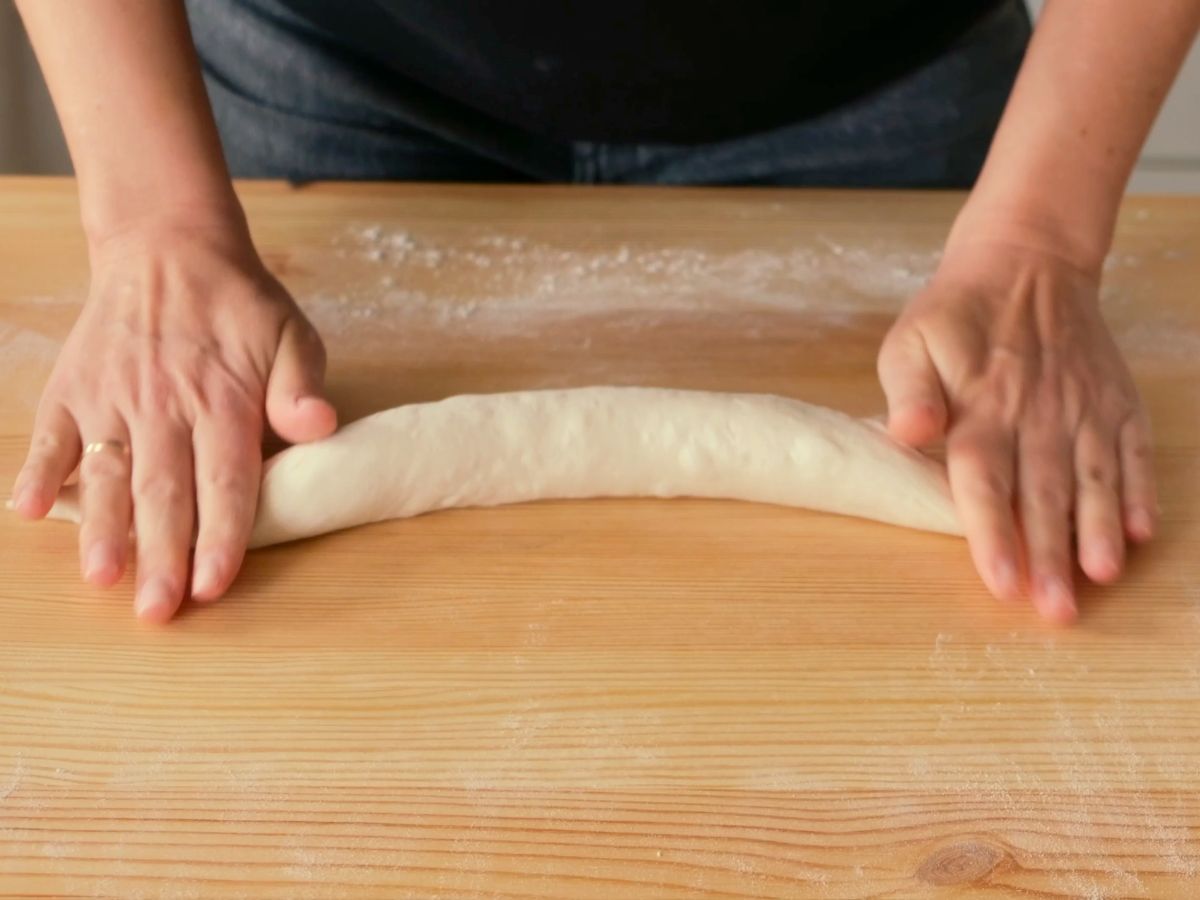
Turn each piece seam-side up. Fold it over itself three times, pressing the seam, then roll from the center outward into a baguette about 12–14 inches long.
Place the baguettes seam-side up on a well-floured couche or clean, lint-free kitchen towel. Fold the cloth between the baguettes to support them. Cover and proof at room temperature for 50–90 minutes, until a gentle indentation springs back quickly.
Preheat the oven to 465°F (240°C). Place an empty baking pan on the bottom rack.
Transfer the baguettes to a baking sheet seam-side down. Using a sharp razor blade or bread lame, make 4 quick, slightly angled cuts along each baguette, overlapping them slightly.
Place the baguettes in the oven. Carefully pour boiling water into the pan on the bottom rack to create steam. Bake for 20–25 minutes without opening the oven door.
Notes
Let the baguettes cool before serving.


Be the first to comment