
To be honest, red currants have always been one of the trickiest berries for me to use. They’re far too tart to eat by the handful, I rarely make jam, and most desserts either end up overly sweet or still too sharp.
But pair them with a delicate French clafoutis, and everything falls into place. As the berries bake, they lose their harsh acidity while keeping their bright, tangy flavor. The creamy almond flour batter, scented with vanilla, creates the perfect balance and makes it almost impossible to stop at just one slice.
This recipe also turned into a little experiment for me. First, I replaced the wheat flour entirely with almond flour, making the clafoutis naturally gluten-free. Then, just as I was about to start baking, I realized I had run out of almond flour. Luckily, I still had whole almonds, so I decided to make my own. It turned out to be surprisingly easy, so if you ever find yourself in the same situation, don’t let it stop you. Homemade almond flour is simple to make and works beautifully in this recipe.
If you’re looking for an elegant summer dessert that’s quick to prepare, looks impressive, and requires almost no baking experience, this Red Currant Clafoutis is definitely worth trying.
What Is Clafoutis?
Clafoutis is a classic French dessert that originated in the Limousin region of central France. Traditionally, it’s made by arranging whole cherries in a baking dish, pouring a thin egg-and-milk batter over them, and baking everything until lightly golden.
The texture of clafoutis is quite different from that of a traditional cake or pie. It’s somewhere between a baked custard, a flan, and a light pudding, with a delicate golden crust on top.
Over time, French bakers began making clafoutis with other fruits and berries as well. Strawberries, plums, apricots, raspberries, and blueberries all work beautifully. Personally, though, I think red currants are one of the best choices. Their bright tartness adds freshness to the dessert and perfectly balances the sweetness of the batter without overpowering it.
Why You’ll Love This Recipe
There are several reasons why this version has become one of my favorites.
First, it uses almond flour instead of wheat flour, giving the clafoutis a delicate nutty flavor and a softer, more tender texture. As a bonus, it’s naturally gluten-free.
Second, the batter is made with both milk and cream. The cream gives the finished dessert a richer flavor and an irresistibly creamy, custard-like texture.
Third, a little lemon or orange zest brightens the flavor of the red currants, while a splash of dark rum or orange liqueur adds warmth and depth without overpowering the fruit.
And finally, it’s incredibly quick to make. By the time your oven has finished preheating, the batter is mixed and the clafoutis is ready to bake.
What Does Red Currant Clafoutis Taste Like?
If you’ve never tried clafoutis before, the easiest way to describe it is as something between a silky baked custard, a light soufflé, and a very delicate sponge cake.
The almond flour gives the dessert a more interesting texture than traditional wheat flour, while the cream adds a rich, velvety smoothness.
As the red currants bake, they become softer but keep their signature tartness. That bright acidity balances the sweetness of the batter beautifully, making the dessert feel light, fresh, and never overly sweet.
How to Make Almond Flour at Home
When I started making this recipe, I realized I had run out of almond flour. I didn’t want to postpone baking, so I decided to make my own instead.
It turned out to be much easier than I expected and only takes a little extra time.
How to Remove Almond Skins
- Bring a pot of water to a boil.
- Pour the boiling water over the almonds and let them sit for 1–2 minutes.
- Drain them and immediately transfer them to a bowl of cold water.
- Gently squeeze each almond between your fingers, and the skin will slip right off.
Once peeled, spread the almonds out and let them dry thoroughly.
If you have plenty of time, leave them at room temperature for a few hours or overnight. If you’re in a hurry, dry them in the oven at 210–250°F (100–120°C) for about 15–20 minutes.
Once the almonds are completely dry, grind them in a coffee grinder, spice grinder, or high-powered blender in small batches.
A quick tip: Don’t blend the almonds for too long. Because they’re naturally high in oil, they can quickly turn into almond butter instead of flour.
For a finer texture, sift the almond flour through a fine-mesh sieve and grind any larger pieces again.
A Few Tips Before Baking
- If you’re using fresh red currants, be sure to pat them dry with paper towels after washing. Excess moisture can make the clafoutis a little watery.
- Don’t worry if the batter seems very thin—that’s exactly how it should be. It will set beautifully as it bakes.
- Clafoutis will puff up quite a bit in the oven and then settle as it cools. That’s completely normal and part of its charm.
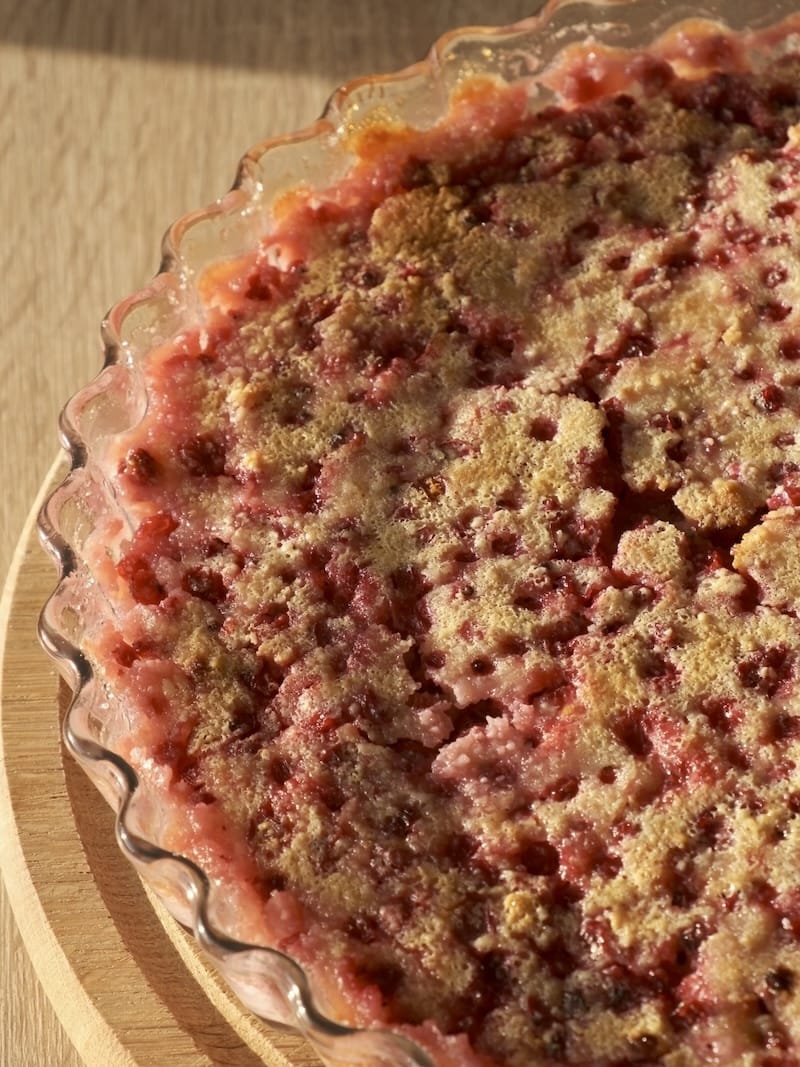
- For the best texture, bake it until the edges are golden and the center is just set, with a slight wobble. It will continue to firm up as it cools.
How to Serve Clafoutis
I love serving clafoutis while it’s still slightly warm.
It pairs beautifully with:
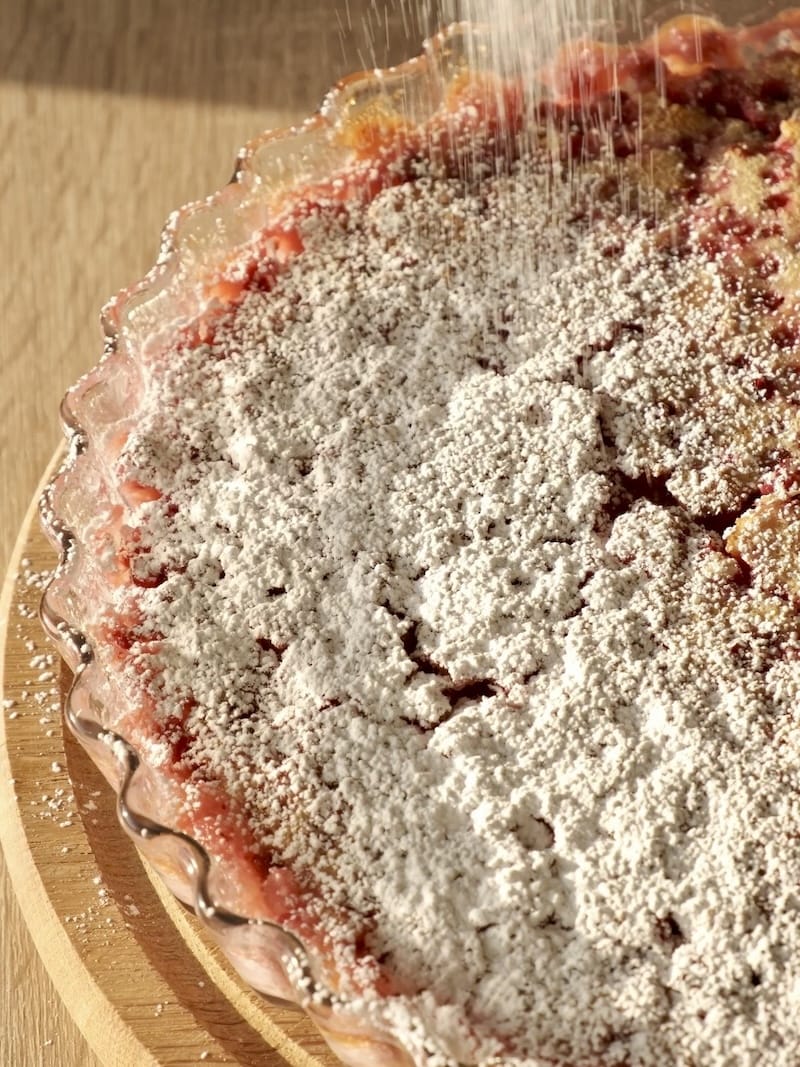
- a dusting of powdered sugar;
- a scoop of vanilla ice cream;
- freshly whipped cream;
- thick plain yogurt or sour cream;
- a cup of good coffee or black tea.
One more thing: I actually think clafoutis tastes even better the next day. As it chills, the texture becomes denser and creamier, while the flavor stays just as delicious.
How to Store Clafoutis
Store the clafoutis in the refrigerator for up to 3 days.
Before serving, you can gently warm it in the oven or microwave, or simply let it sit at room temperature for 20–30 minutes. That said, I actually enjoyed it just as much straight from the fridge—the chilled, custardy texture is absolutely delicious.
Frequently Asked Questions
Can I use frozen red currants?
Yes! There’s no need to thaw them first. Simply add the frozen berries to the baking dish and increase the baking time by 5–10 minutes.
What can I use instead of rum or orange liqueur?
You can simply leave the alcohol out or replace it with fresh orange juice. The clafoutis will still be delicious, though the flavor will be a little lighter.
Why did my clafoutis sink after baking?
That’s completely normal. As the clafoutis bakes, steam causes it to puff up. Once it cools, the steam escapes and the dessert naturally settles.
Can I use other berries or fruit?
Absolutely! This recipe also works beautifully with cherries, raspberries, black currants, blueberries, blackberries, or plums.
Personally, I wouldn’t recommend using cultivated blueberries (highbush blueberries). They’re quite sweet and mild, so the finished dessert can taste a bit flat compared to the bright, tangy flavor you get from red currants or other tart berries.
Red Currant Clafoutis (Gluten-Free Recipe) | Yellowmixer.com
Print RecipeIngredients
- 250–300 g (9–10½ oz) fresh red currants
- 2 large eggs (or 3 small eggs)
- 200 ml (¾ cup + 1 tbsp) whole milk
- 100 ml (⅓ cup + 1 tbsp) light cream (10–20% fat) or heavy cream
- 100 g (½ cup) granulated sugar
- 100 g (1 cup) almond flour
- Seeds from 1 vanilla bean, or 1 teaspoon vanilla extract
- 1 teaspoon finely grated lemon or orange zest
- 2 tablespoons orange liqueur (such as Grand Marnier or Cointreau) or dark rum
Instructions
Preheat the oven to 350°F (180°C). Grease a 9½–10-inch (24–26 cm) baking dish with butter and lightly sprinkle it with sugar.
Spread the red currants evenly over the bottom of the prepared dish.
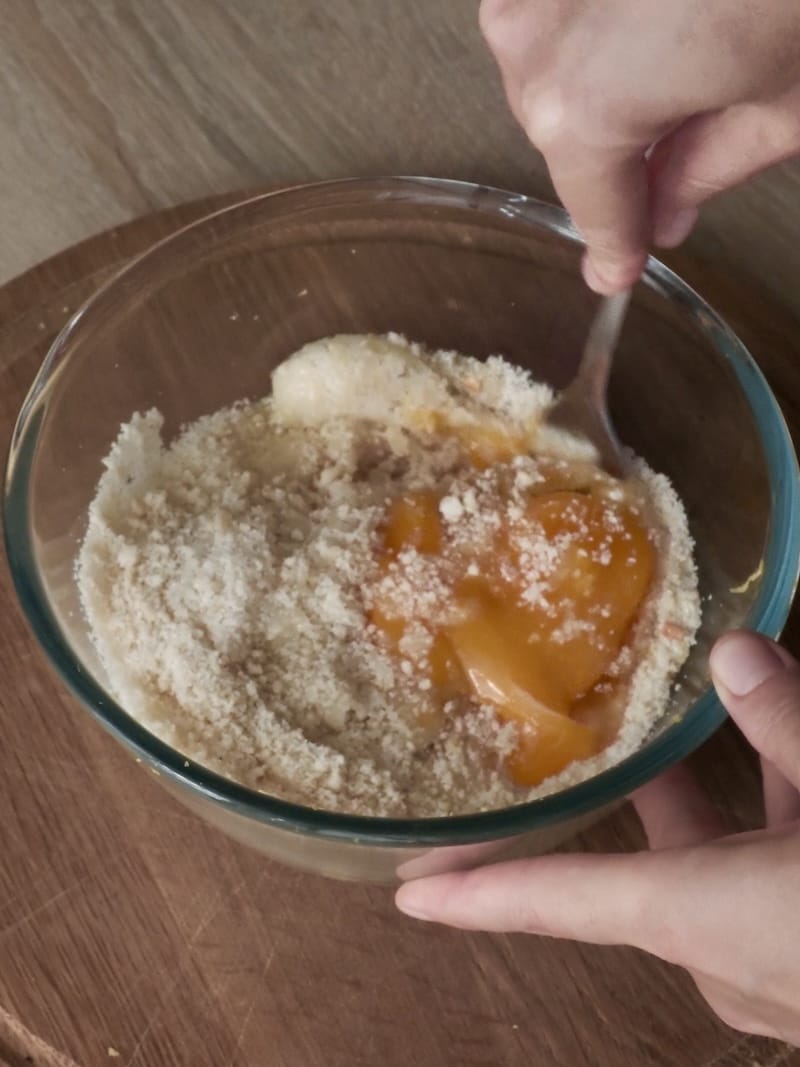
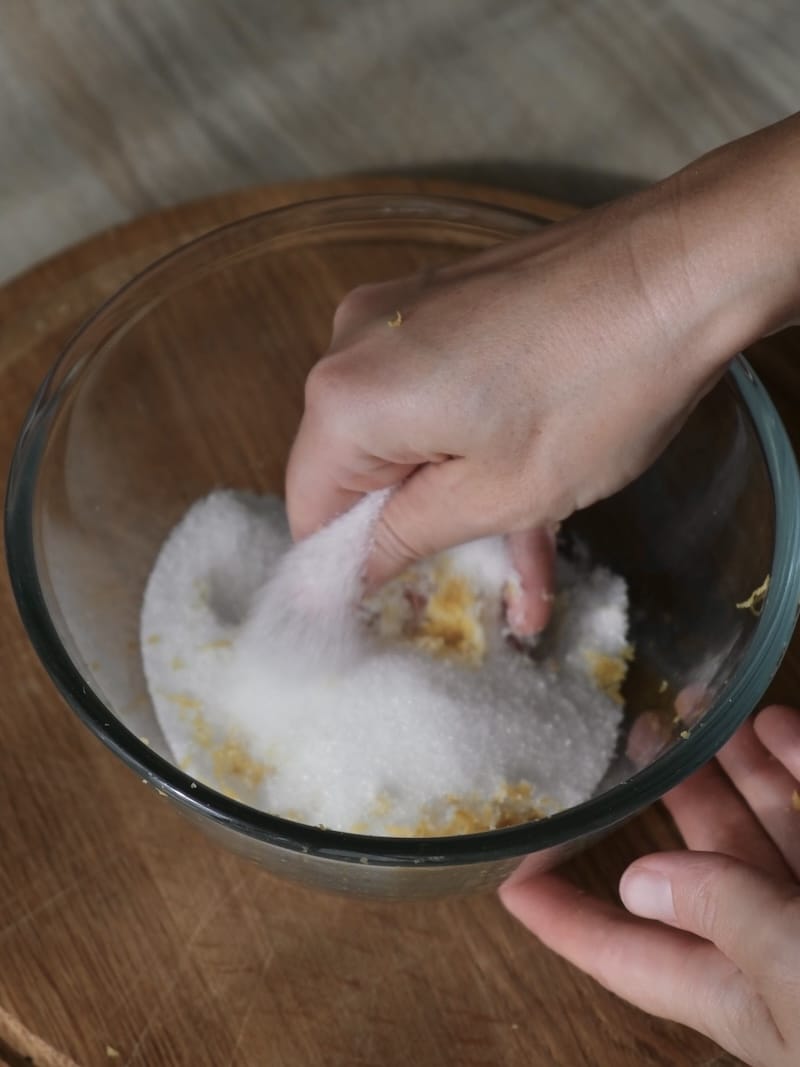
In a large bowl, combine the sugar with the finely grated lemon or orange zest. Rub them together with your fingertips until the sugar becomes fragrant.
Add the almond flour and stir to combine.
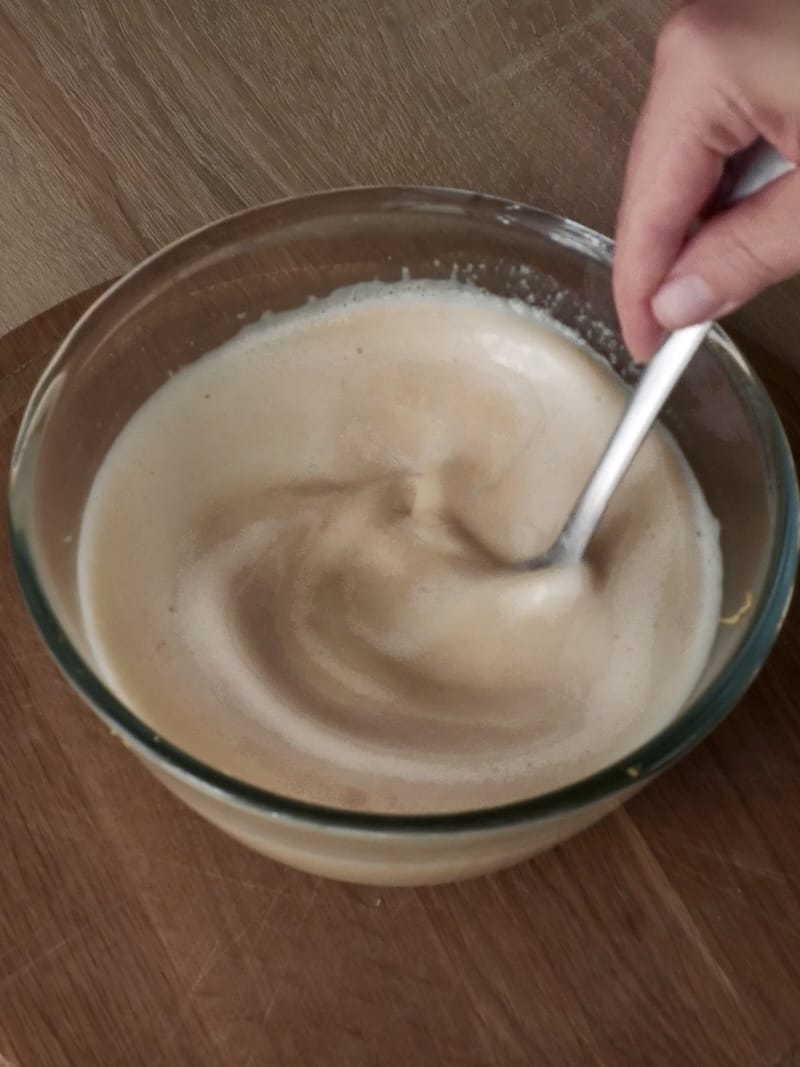
Add the eggs and vanilla, then whisk (or use a fork) until the batter is smooth.
Gradually pour in the milk, adding it in several additions and whisking well after each one.
Stir in the cream and the orange liqueur (or dark rum) until fully incorporated.
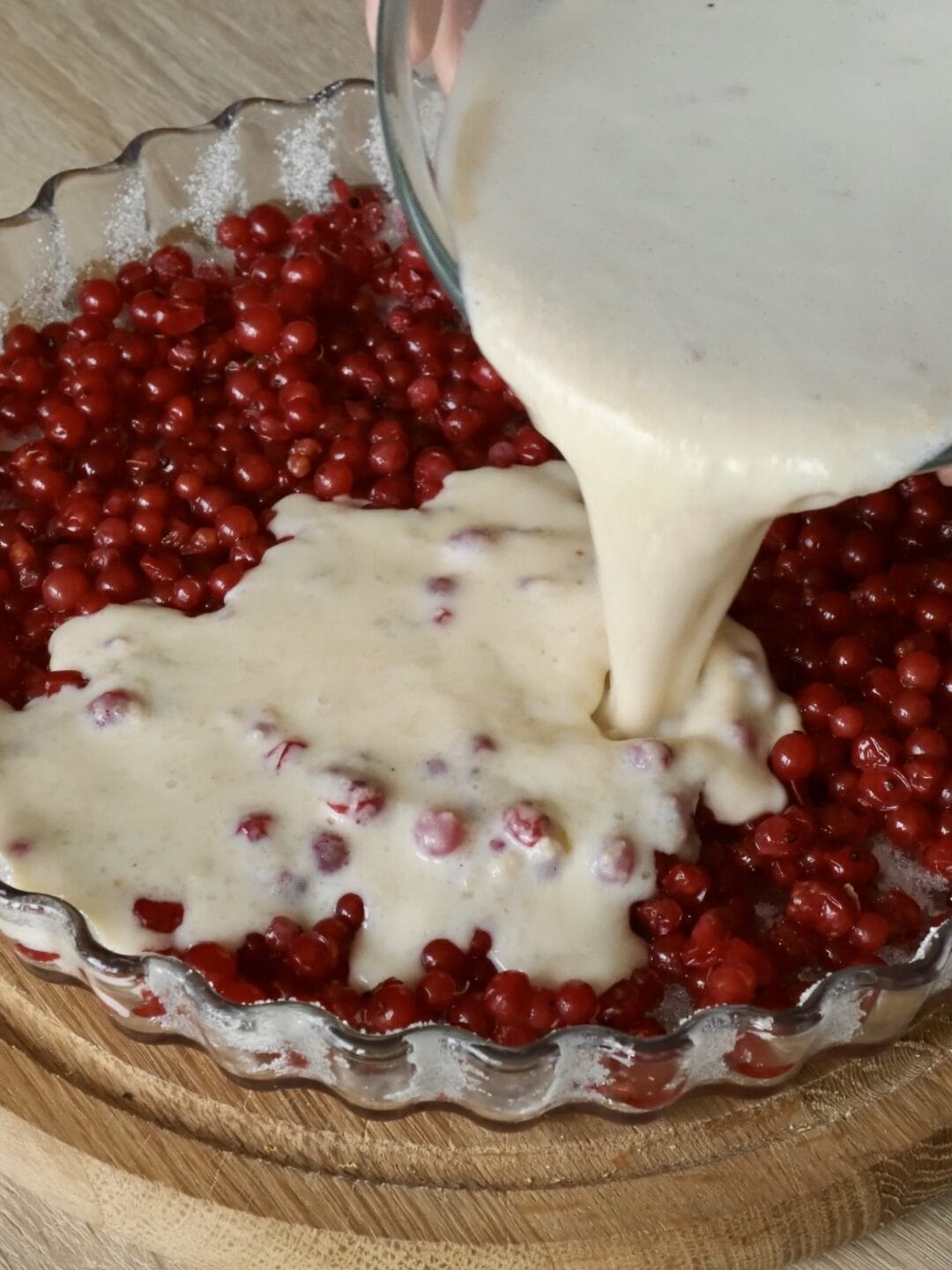
Pour the batter evenly over the berries.
Bake for 35–40 minutes, or until the clafoutis is puffed and lightly golden on top.
Let the clafoutis cool for 15–20 minutes before serving.
Notes
If you’re baking outside Europe and can’t find 10–20% cream, heavy cream (35–36%) works perfectly well. It will simply make the clafoutis a little richer and creamier.
If you try this recipe, I’d love to hear how it turned out! Share your experience or any creative twists you made in the comments below. Let me know if you have any questions. Your feedback helps me create even more delicious content. Enjoy your homemade treat and happy baking!


Be the first to comment